










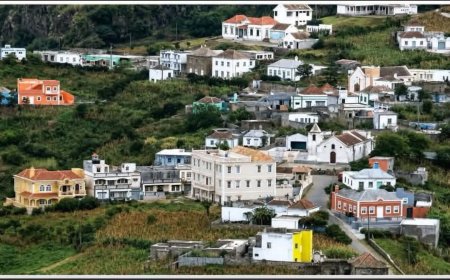











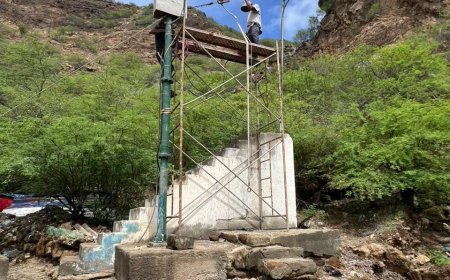


Crisis in transport and low-income tourism threaten the hotel industry on Brava Island.
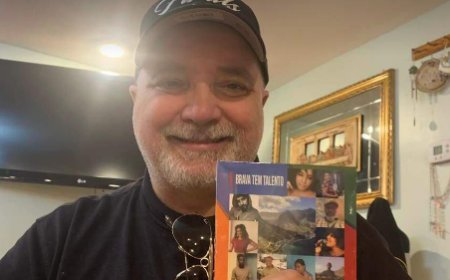
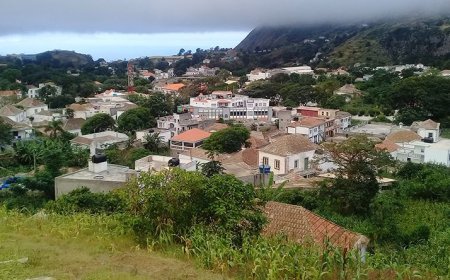
Nova Sintra City, April 18, 2026 (Bravanews) – This is the lament of someone who invested in a dream and is now facing the logistical realities of Cape Verde. In an exclusive interview with Bravanews, Marco Agostinho Giandinoto, owner of the Djabraba Eco's Lodge hotel, painted a bleak picture of the current state of the tourism sector on the "Island of Flowers".
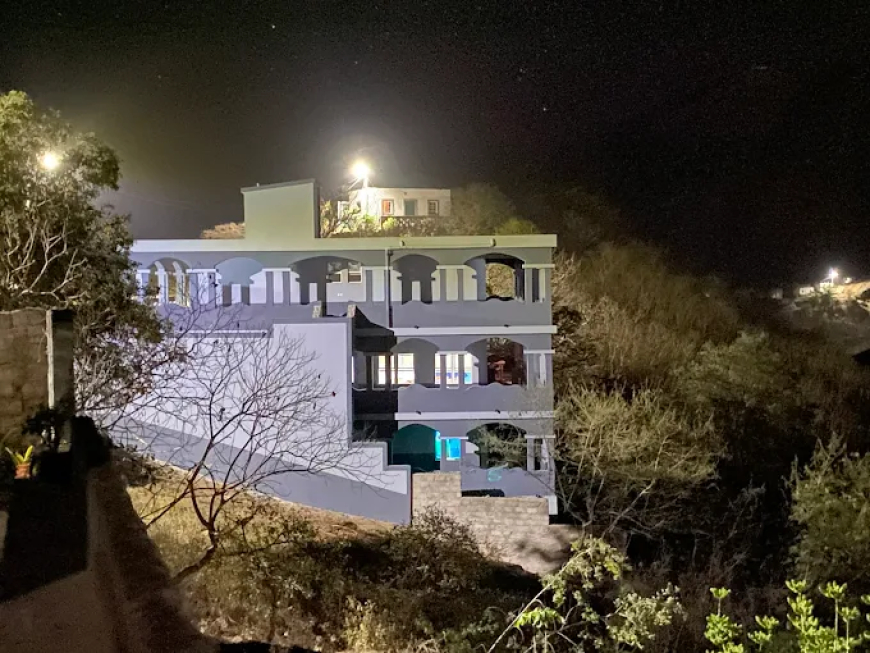
The businessman, who recently completed significant modernization work on his establishment, claims that the lack of maritime connectivity is strangling the local economy and driving away potential visitors.
Giandinoto does not hide his frustration with the gap between private investment and public infrastructure support. According to the owner, the amount invested in the hotel's renovation is not yielding the expected return due to the irregular maritime connections, which continue to be Brava's "Achilles' heel".
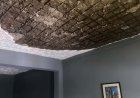
"I spent a lot of money on renovating and upgrading the space, and there's been no tourism," the businessman lamented to Bravanews.
With no flights and relying exclusively on boats that often face cancellations or uncertain schedules, Brava becomes a difficult-to-access destination, discouraging tourists seeking comfort and predictability.
Beyond the transportation problem, Marco Agostinho Giandinoto launched strong criticisms of the quality of the tourist flow arriving on the island. The hotelier classifies current tourism in Brava as being of a "low level ," referring to the reduced purchasing power and the lack of willingness to make significant expenditures.
International Tourism: According to Giandinoto, foreigners who visit the island demonstrate excessive restraint, avoiding consumption that would support quality hotels.
Domestic Tourism: The situation worsens in the domestic market. The businessman points out that domestic tourists are contributing even less to the profitability of local businesses.
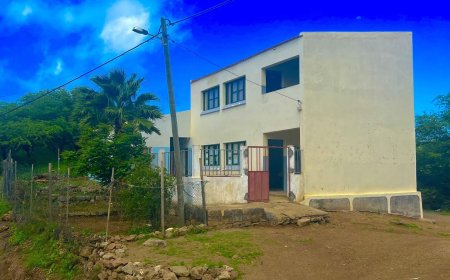
Djabraba Eco's Lodge , designed to be a benchmark for sustainability and comfort, now finds itself at a crossroads. Giandinoto's analysis reflects a common sentiment among the island's economic operators: without a definitive solution for maritime transport, Brava risks becoming stagnant in a transient tourism model, without added value.
The appeal from local business owners is clear: it is urgent to rethink the island's promotional strategy and, above all, to ensure that those who wish to visit Brava have safe and regular ways to get there. Otherwise, investments of thousands of euros will continue to be "money thrown overboard".